
Board-Certified Allergist & Immunologist
Blog
Allergies
Allergies
Introducing Solid Foods and Preventing Food Allergies in Babies: What Parents Should Know
Learn when and how to introduce solid foods, including common allergens like peanuts and eggs, to help reduce the risk of food allergies in babies and support healthy development.

August 18, 2026
For many parents, introducing solid foods is an exciting milestone. Along with the excitement, however, often comes a common concern: Can introducing certain foods help prevent food allergies, or could it increase the risk?
Over the past decade, research has transformed our understanding of food allergy prevention. Experts now know that introducing allergenic foods at the appropriate time may actually help reduce the risk of developing certain food allergies, particularly in high-risk infants.
Understanding when and how to introduce solid foods can help parents feel more confident while supporting their child's long-term health.
Understanding Food Allergies in Infants
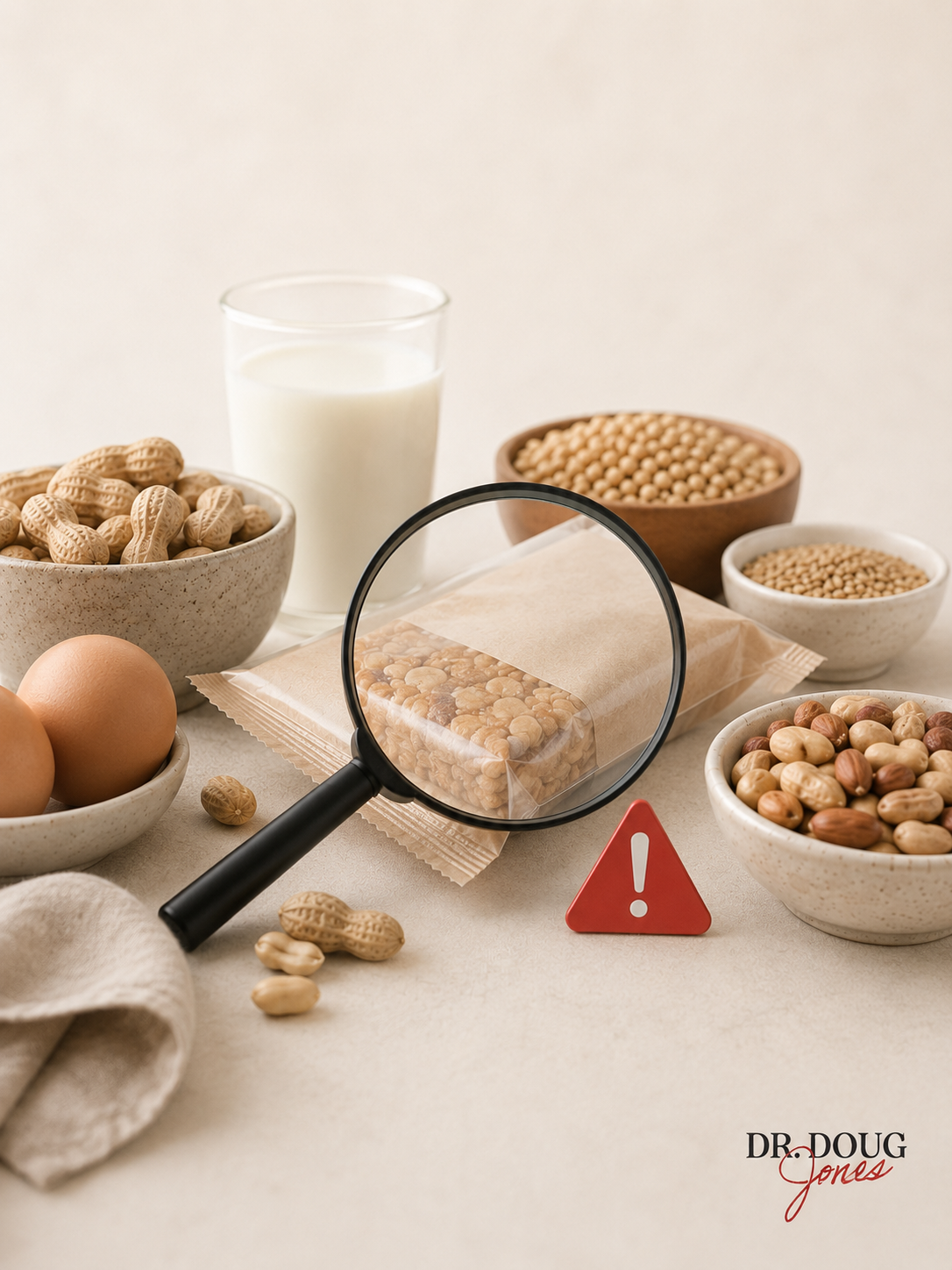
A food allergy occurs when the immune system mistakenly identifies a food protein as harmful and triggers an allergic reaction.
Food allergies can develop during infancy or early childhood and may range from mild symptoms to severe, life-threatening reactions.
Common symptoms of a food allergy may include:
- Hives or skin rash
- Swelling of the lips, face, or tongue
- Vomiting
- Diarrhea
- Coughing or wheezing
- Difficulty breathing
- Paleness along with limpness or unusual sleepiness
- Loss of consciousness
Symptoms often appear within minutes to a few hours after eating the trigger food.
Why Early Food Introduction Matters
For many years, parents were advised to delay introducing highly allergenic foods such as peanuts, eggs, and fish. However, research has shown that delaying these foods may not prevent allergies and, in some cases, may increase the risk.
Current guidelines support introducing allergenic foods during infancy once a baby is developmentally ready for solid foods.
Early exposure helps the immune system learn to recognize food proteins as harmless, potentially reducing the likelihood of allergic sensitization.
When Should Babies Start Solid Foods?
Most babies are ready to begin solid foods around 4 to 6 months of age.
Signs that a baby may be ready for solids include:
- Good head and neck control
- Ability to sit with support
- Interest in food
- Ability to swallow food rather than pushing it out with the tongue
Breast milk or infant formula should remain the primary source of nutrition throughout the first year of life, with solid foods gradually added as complementary nutrition.
Which Foods Are Most Commonly Associated With Allergies?
While any food can potentially cause an allergic reaction, a small group of foods accounts for the majority of food allergies.
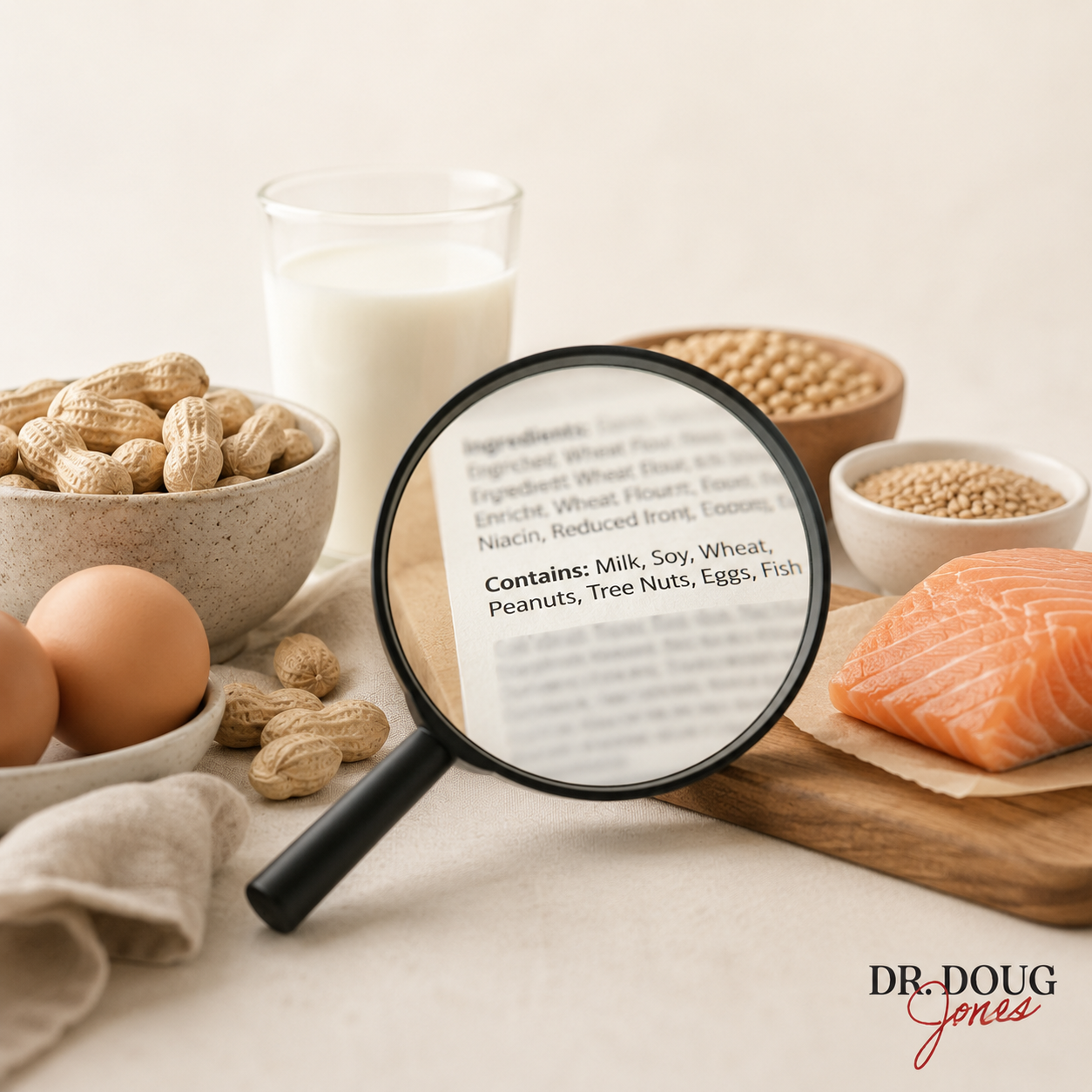
Common food allergens include:
%20(1).png)
- Peanuts
- Eggs
- Cow's milk
- Tree nuts
- Soy
- Wheat
- Fish
- Shellfish
- Sesame
These foods are often referred to as the major food allergens and deserve special attention during food introduction.
Introducing Peanut Foods
Peanut allergy is one of the most common and potentially serious food allergies.
Research has demonstrated that introducing peanut-containing foods during infancy can significantly reduce the risk of developing a peanut allergy, particularly in children at higher risk.
Babies at Higher Risk for Peanut Allergy
Some infants may have an increased risk of developing peanut allergy, including those with:
- Severe eczema
- Existing food allergies
- A strong family history of allergic conditions
Parents of high-risk infants should discuss peanut introduction with an allergist or pediatrician before offering peanut-containing foods.
Safe Ways to Introduce Peanut
Whole peanuts and spoonfuls of peanut butter can present choking hazards and should not be given to infants.
Safer options include:
- Thinned peanut butter mixed with water or puree
- Peanut powder mixed into baby food
- Peanut-containing puffs designed for infants
Once introduced successfully, regular inclusion of peanut-containing foods may help maintain tolerance.
Introducing Eggs and Other Allergenic Foods
Egg allergy is another common childhood food allergy.
Current recommendations support introducing well-cooked egg during infancy rather than delaying exposure.
Similarly, foods containing:
- Wheat
- Soy
- Fish
- Sesame
can generally be introduced when a baby begins eating a variety of solid foods, unless otherwise advised by a healthcare professional.
However, dairy foods such as yogurt or cheese may be introduced in age appropriate forms, but cow’s milk should not replace breast milk or formula as a drink before 12 months.
Introducing these foods one at a time allows parents to observe for any signs of an allergic reaction.
Does Breastfeeding Prevent Food Allergies?
Breastfeeding provides many important health benefits for infants and mothers.
While breastfeeding may support overall immune health, research has not consistently shown that breastfeeding alone prevents food allergies.
Current evidence suggests that breastfeeding and the timely introduction of allergenic foods can work together as part of a healthy feeding strategy.
What About Babies With Eczema?
Infants with eczema are at greater risk for developing food allergies, particularly if eczema is moderate to severe.
When the skin barrier is compromised, exposure to allergens through the skin may contribute to allergic sensitization.
For babies with eczema, allergy-focused guidance may be especially important before introducing highly allergenic foods.
An allergist can help determine the safest approach and identify any additional risk factors.
Learn more about eczema and its connection to food allergies in our comprehensive guide on eczema causes, symptoms, triggers, and treatment options.
Signs of an Allergic Reaction During Food Introduction
Most first exposures to new foods occur without problems. However, parents should know what symptoms to watch for.
Possible signs of an allergic reaction include:
- Hives
- Facial swelling
- Repeated vomiting
- Persistent coughing
- Wheezing
- Difficulty breathing
- Extreme lethargy
If severe symptoms occur, seek emergency medical attention immediately.
Any suspected food allergy should be evaluated by a qualified healthcare professional before the food is offered again.
Common Mistakes Parents Should Avoid
Delaying Allergenic Foods Without Medical Advice
Current evidence does not support routinely delaying allergenic foods in healthy infants.
Eliminating Foods Based on Fear Alone
Avoiding foods unnecessarily may limit nutritional variety and can sometimes create additional challenges later.
Relying on At-Home Allergy Tests
Many commercially available food sensitivity tests lack scientific validity and can lead to confusion and unnecessary dietary restrictions.
Introducing Multiple New Foods at Once
Offering new foods individually makes it easier to identify the cause if a reaction occurs.
When Should Parents Consult an Allergist?
Parents should consider consulting an allergist if their baby:
- Has moderate to severe eczema
- Has already experienced a reaction to food
- Has a diagnosed food allergy
- Has multiple allergic conditions
- Has a sibling with a severe food allergy and parents are concerned about introduction
An allergist can provide individualized recommendations, evaluate allergy risk, and determine whether testing or supervised food introduction is appropriate.
Building a Healthy Relationship With Food
Introducing solid foods should be an enjoyable and positive experience. Most babies tolerate new foods well, including foods commonly associated with allergies.
A varied diet introduced during infancy supports nutritional development and may help the immune system learn to tolerate a wide range of foods.
Rather than avoiding allergenic foods out of fear, parents should focus on evidence-based feeding practices and seek professional guidance when questions arise.
Final Thoughts
Research has changed the way healthcare professionals approach food allergy prevention. Introducing allergenic foods at the appropriate age may help reduce the risk of developing food allergies, especially in infants at higher risk.
Every child is different, and some babies may benefit from personalized guidance before introducing certain foods. Understanding current recommendations can help parents make informed decisions and feel more confident during this important stage of development.
If you have concerns about your child's risk for food allergies, consultation with an experienced allergist can provide clarity, reassurance, and a personalized plan for safe food introduction.