
Board-Certified Allergist & Immunologist
Blog
Allergies
Allergies
Eczema: Understanding the Itch, Identifying Triggers, and Finding Lasting Relief
Learn about eczema, its causes, symptoms, triggers, and treatment options. Discover practical strategies to manage flare-ups, identify allergens, and improve long-term skin health.

August 18, 2026
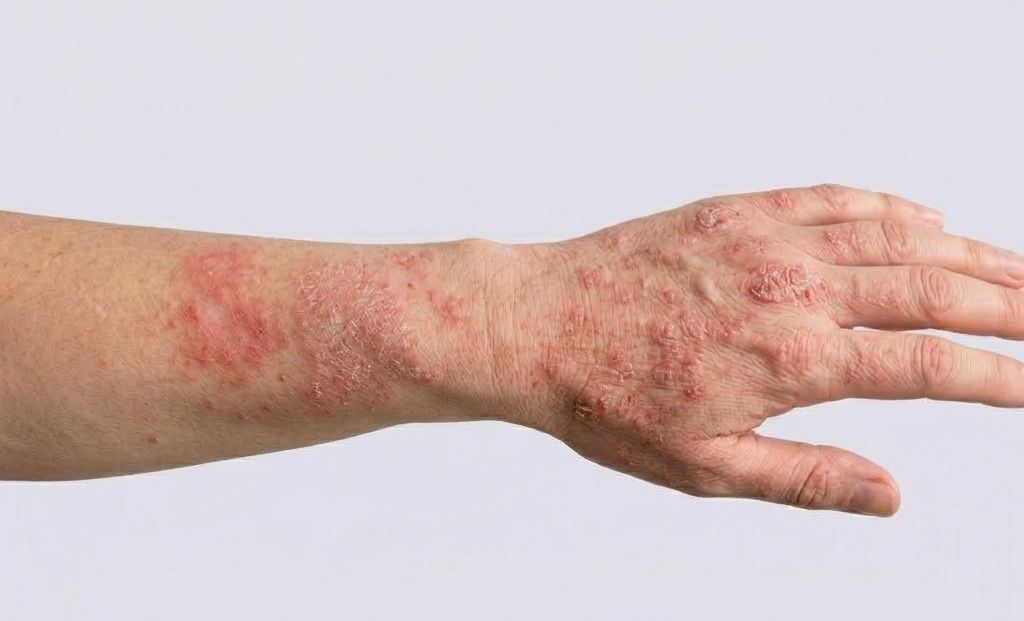
Eczema is one of the most common chronic skin conditions, affecting millions of children and adults worldwide. If you or your child struggles with dry, itchy, inflamed skin, you're not alone. While eczema can be frustrating and uncomfortable, understanding its causes and treatment options can make a significant difference in managing symptoms and improving quality of life.
In this guide, we'll explore what eczema is, what causes flare-ups, and the most effective ways to manage it.
What Is Eczema?
Eczema is a group of inflammatory skin conditions that cause dry, itchy, and irritated skin, often appearing as rashes, scaly patches, or blisters. It can affect people of all ages, from infants to adults, and often follows a relapsing course with periods of flare-ups and improvement.
Eczema itself is not contagious, meaning it cannot be spread from one person to another. However, people with eczema have higher susceptibility to contagious skin infections.
People with eczema often have a weakened skin barrier, making it easier for moisture to escape and irritants, allergens, and bacteria to enter the skin.
Common Symptoms of Eczema
Symptoms can vary from person to person but commonly include:
- Intense itching
- Dry, flaky skin
- Red, brown, purple, gray, or inflamed-looking patches depending on skin tone.
- Rough, thickened skin
- Cracked or scaly areas
- Small bumps that may leak fluid when scratched
- Darkened skin in chronic cases
In infants, eczema frequently appears on the cheeks and scalp. In older children and adults, it often affects the hands, wrists, neck, elbows, knees, and ankles.
What Causes Eczema?
There is no single cause of eczema. Instead, it develops from a combination of genetic, environmental, and immune system factors.
Genetics
Many people with eczema have a family history of:
- Eczema
- Asthma
- Seasonal allergies
- Food allergies
Certain genetic variations can affect the skin's ability to retain moisture and protect against irritants.
Immune System Dysfunction
People with eczema have an immune system that tends to overreact to substances that are normally harmless. This leads to inflammation, itching, and skin irritation.
Environmental Triggers
Various environmental factors can trigger eczema flare-ups, including:
- Dry air
- Extreme temperatures
- Harsh soaps and detergents
- Fragrances and skincare products
- Dust mites
- Pet dander
- Pollen
- Mold
- Skin infections: bacterial or viral infections can worsen eczema and may require medical treatment.
Stress
Emotional stress does not directly cause eczema, but it can worsen symptoms and contribute to flare-ups.
Is Eczema Related to Allergies?
Yes. Atopic dermatitis, the most common form of eczema, is often associated with allergic conditions, including:
- Seasonal allergies
- Asthma
- Food allergies
This connection is sometimes referred to as the "atopic march," where eczema develops early in life and may be followed by food allergies, allergic rhinitis, or asthma.
However, not everyone with eczema has allergies, and not every eczema flare is caused by an allergic reaction.
Can Food Allergies Cause Eczema?
Food allergies can contribute to eczema symptoms in some individuals, particularly infants and young children with moderate to severe eczema.
Common food allergens include:
- Milk
- Eggs
- Peanuts
- Tree nuts
- Soy
- Wheat
It's important to understand that food allergies are not the primary cause of eczema for most people. Eliminating foods without proper evaluation can lead to unnecessary dietary restrictions and nutritional deficiencies.
If food allergies are suspected, evaluation by a board-certified allergist is recommended.
Common Eczema Triggers
Identifying triggers is one of the most important steps in managing eczema.
Irritants
- Soaps
- Shampoos
- Cleaning products
- Fragrances
- Wool clothing
Allergens
- Dust mites
- Pollen
- Pet dander
- Mold
Environmental Factors
- Cold weather
- Dry air
- Heat and sweating
Lifestyle Factors
- Stress
- Poor sleep
- Excessive scratching
Skin Infections
Secondary bacterial or viral skin infections can worsen eczema and may require prompt medical treatment.
Because triggers vary from person to person, keeping a symptom diary may help identify patterns.
How Is Eczema Diagnosed?
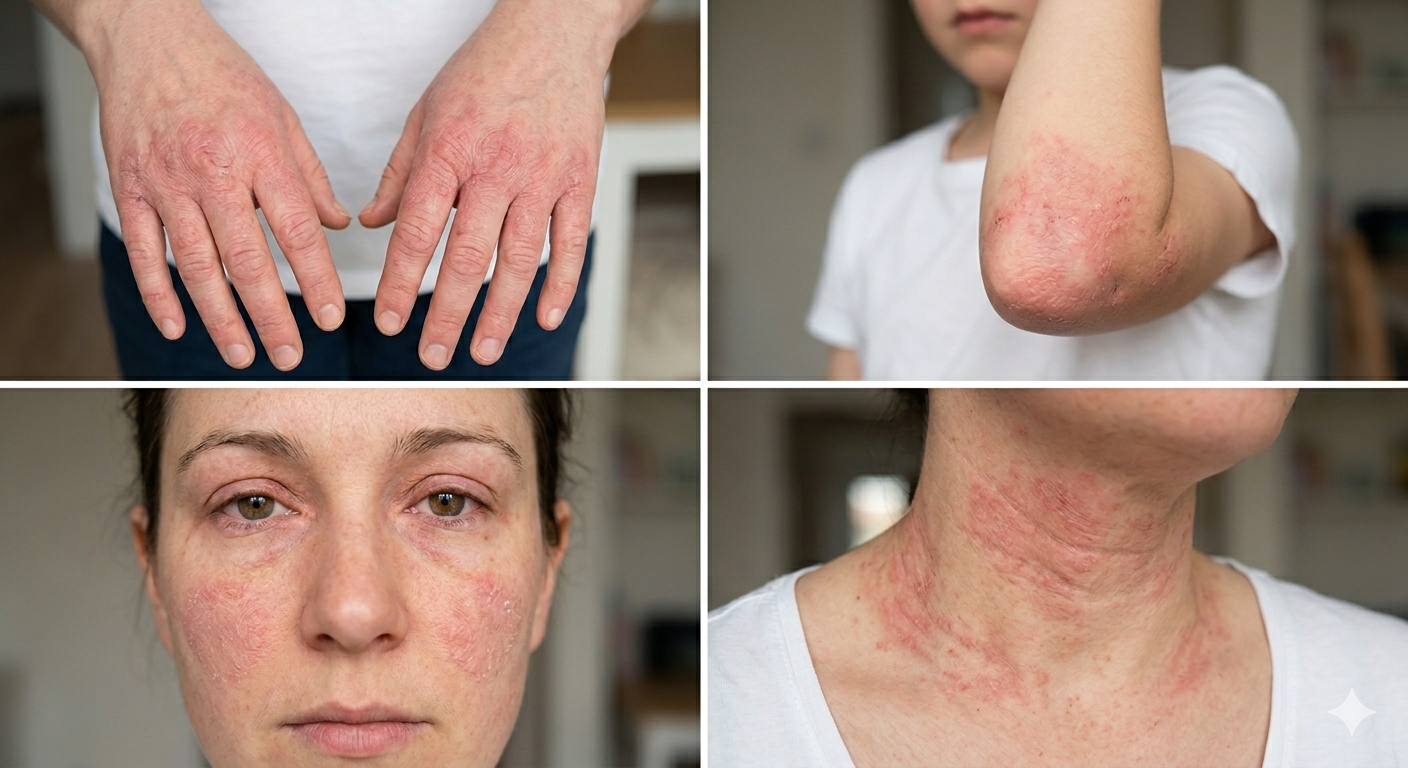
Eczema is usually diagnosed through a thorough medical history and physical examination.
In some cases, allergy testing may be recommended to identify potential triggers, especially when:
- Symptoms are severe
- Standard treatments are not working
- Food allergies are suspected
- Other allergic conditions are present
Allergy testing is not routinely needed for everyone with eczema and should be guided by clinical history.
An allergist can help determine whether allergies are contributing to eczema symptoms and develop a personalized treatment plan when allergic triggers are suspected.
Treatment Options for Eczema
Although there is currently no cure for eczema, effective treatments can help control symptoms and reduce flare-ups.
Daily Moisturizing
Moisturizers are the foundation of eczema care.
Look for:
- Fragrance-free products
- Thick creams or ointments
- Products designed for sensitive skin
Applying moisturizer immediately after bathing helps lock moisture into the skin.
Trigger Avoidance
Identifying and minimizing exposure to triggers can significantly reduce symptoms.
Simple changes may include:
- Switching to fragrance-free products
- Using gentle detergents
- Avoiding irritating fabrics
- Maintaining proper indoor humidity
Prescription Medications
Depending on severity, treatment may include:
- Topical corticosteroids
- Topical calcineurin inhibitors
- Topical PDE4 inhibitors
- Biologic medications
- Oral medications for severe cases
These treatments help reduce inflammation and control symptoms during flare-ups. They should be used under medical guidance, especially in children or when treating sensitive areas such as the face, neck, or skin folds.
Allergy Management
For individuals whose eczema is worsened by allergies, addressing the underlying allergic triggers can improve skin health and overall quality of life.
When Should You See an Allergist?
You should consider seeing an allergist if:
- Eczema is persistent or severe
- Symptoms interfere with sleep or daily activities
- You suspect food allergies
- You have asthma or seasonal allergies
- Standard treatments are not providing relief
- Frequent skin infections occur
An allergist can help identify contributing factors and create a personalized management plan tailored to your specific needs.
Living Well With Eczema
Managing eczema often requires a long-term approach that combines skincare, trigger identification, lifestyle modifications, and medical treatment when needed.
The good news is that most people can achieve significant improvement with the right strategy. Understanding your triggers, maintaining a healthy skin barrier, and seeking expert guidance when necessary can help reduce flare-ups and improve your quality of life.
Final Thoughts
Eczema is more than just dry skin. It is a complex condition involving the skin barrier, immune system, and environmental factors. While symptoms can be challenging, effective treatments are available.
If you or your child struggles with ongoing eczema, a comprehensive evaluation can help uncover potential triggers and identify the most effective treatment options. With the right care plan, healthier skin and better symptom control are achievable.