
Board-Certified Allergist & Immunologist
Blog
Allergies
Allergies
Is Your Eczema Caused by Allergies? Understanding the Connection
Can allergies cause eczema? Learn how food allergies, environmental allergens, and the immune system are connected to eczema, when allergy testing is helpful, and how an allergist can guide effective treatment.

August 20, 2026
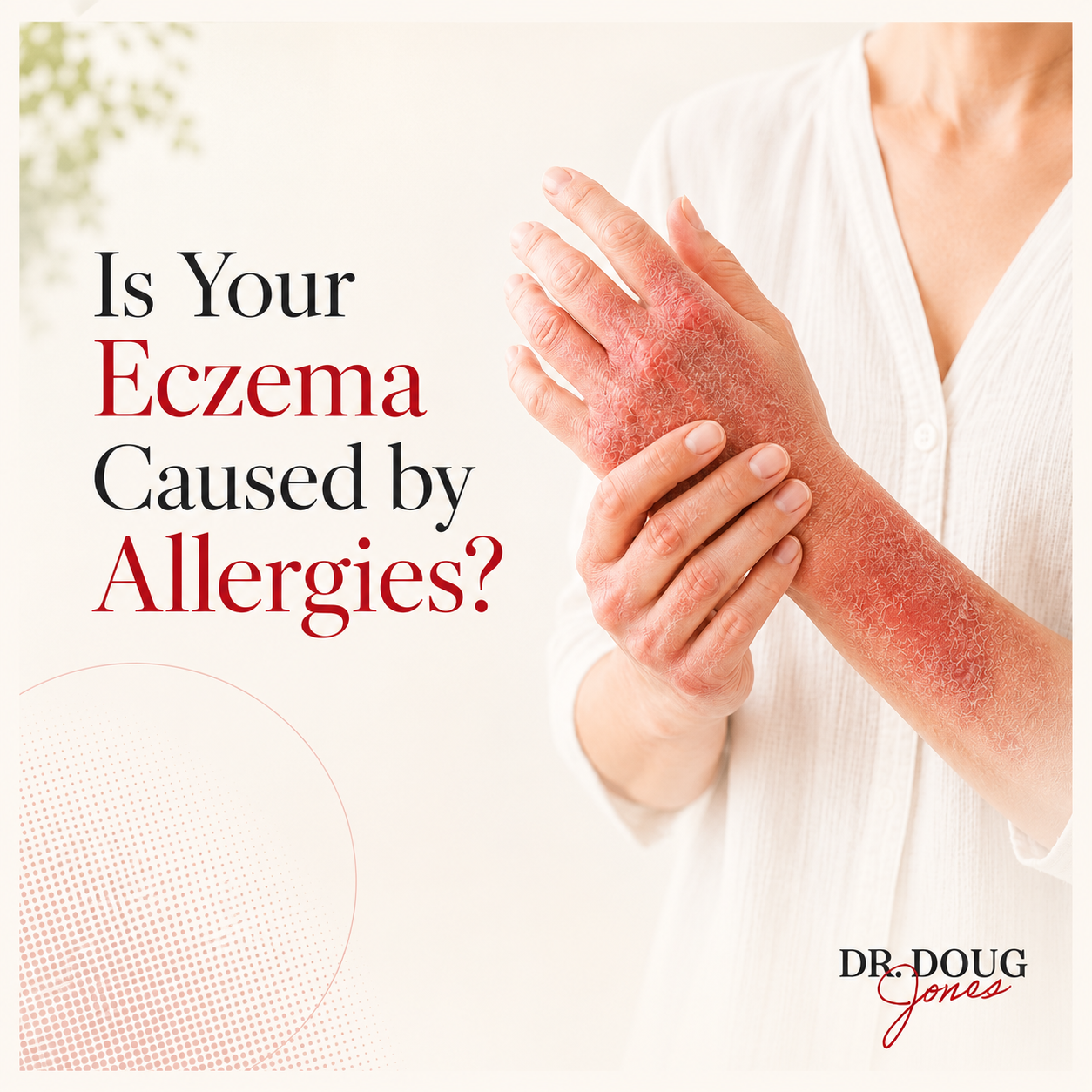
Have you ever noticed your eczema flaring up after eating a certain food, spending time outdoors during pollen season, or visiting a home with pets? It's easy to assume that allergies are the root cause of eczema—but the relationship isn't quite that simple.
One of the most common misconceptions patients have is that eczema is "just an allergy." In reality, atopic dermatitis—the most common form of eczema—is a chronic inflammatory skin condition influenced by genetics, immune-system activity, skin-barrier dysfunction, microbes, and environmental factors.
Allergies may contribute to flare-ups in some people, but they are rarely the only factor involved.
Understanding the difference is important because it can prevent unnecessary food restrictions, reduce frustration, and help you focus on treatments that are supported by medical evidence rather than trial and error.
In this article, the term “eczema” primarily refers to atopic dermatitis. We'll explore how eczema and allergies are connected, who is most likely to experience allergy-related eczema, when allergy testing is truly helpful, and what current research tells us about managing both conditions together.
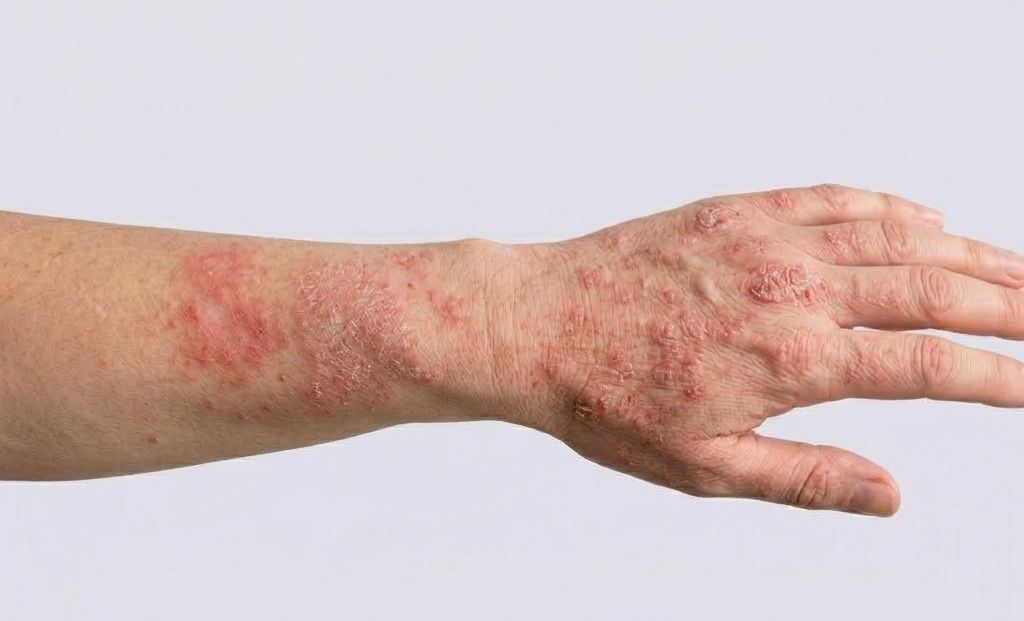
Why Do People Think Allergies Cause Eczema?
It's an understandable assumption. Many people notice their eczema becomes worse after exposure to pollen, dust, pets, or certain foods. Others have children who develop eczema before later being diagnosed with food allergies or asthma.
Because these conditions often occur together, it's easy to assume that one directly causes the other.
The reality is more nuanced. Atopic dermatitis develops through a complex interaction between an impaired skin barrier, immune-system dysregulation, genetic susceptibility, and environmental exposures.
Eczema develops because the skin barrier doesn't function as effectively as it should. This weakened barrier allows moisture to escape while making it easier for irritants, bacteria, and allergens to penetrate the skin. At the same time, the immune system becomes more reactive, leading to inflammation and persistent itching.
In other words, allergies don't usually create eczema—but they may aggravate skin that is already vulnerable.
Understanding this distinction is one of the most important steps toward finding the right treatment approach.
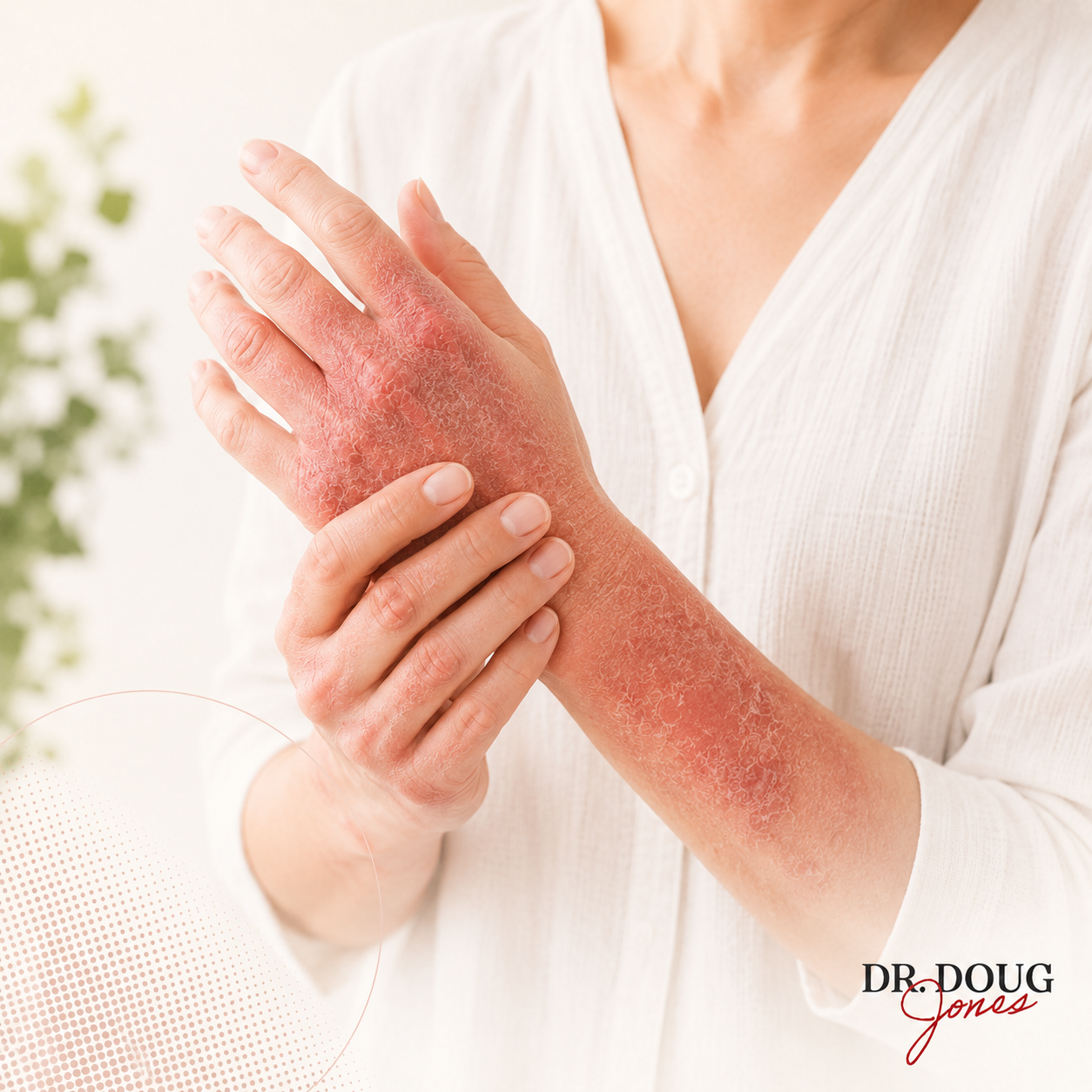
The Atopic March: Why Eczema Often Comes First
Allergists often use the term Atopic March to describe the natural progression of allergic diseases that can occur throughout childhood.
For many children, eczema is the first sign of an allergic tendency. As they grow, some may go on to develop:
- Food allergies
- Seasonal allergies (allergic rhinitis or hay fever)
- Asthma
This progression doesn't happen to everyone, but it highlights that these conditions share underlying genetic and immune system factors rather than existing as completely separate diseases.
Researchers believe that a weakened skin barrier may allow allergens to enter the body through the skin, increasing the likelihood of allergic sensitization over time. This is one reason why managing eczema early and protecting the skin barrier may play an important role in long-term skin and allergy health.
Can Food Allergies Actually Cause Eczema?
This is one of the most frequently asked questions in allergy clinics.
The short answer is usually no.
Food allergies rarely cause eczema by themselves. However, in some infants and young children with moderate to severe eczema, certain foods may trigger or worsen existing inflammation.
The foods most commonly associated with allergic reactions include:
- Cow's milk
- Eggs
- Peanuts
- Tree nuts
- Soy
- Wheat
- Fish
- Shellfish
It's important to remember that many children with eczema can safely eat these foods without any problem.
Assuming that every eczema flare is caused by food can lead families to remove multiple foods from a child's diet unnecessarily, increasing the risk of nutritional deficiencies while offering little improvement in eczema symptoms.
That's why food elimination should always be guided by an allergist rather than based on guesswork.
Food Allergy, Food Intolerance, and Food Sensitivity: Understanding the Difference
These three terms are often used interchangeably, but they describe very different conditions.
Food Allergy
A food allergy involves the immune system. Even a small amount of the offending food can trigger symptoms such as hives, swelling, vomiting, difficulty breathing, or, in severe cases, anaphylaxis.
Some food allergies may also contribute to eczema flare-ups, particularly in young children with established food allergies.
Food Intolerance
A food intolerance does not involve the immune system.
Instead, it usually occurs because the body has difficulty digesting a particular food or ingredient. Lactose intolerance is a common example.
Although food intolerances can cause digestive symptoms, they do not trigger allergic reactions.
Food Sensitivity
Food sensitivity is a broad term that has no universally accepted medical definition.
Many commercial tests claim to identify food sensitivities, but most are not supported by scientific evidence and should not be used to diagnose the cause of eczema.
Understanding these differences helps patients avoid unnecessary dietary restrictions while ensuring true food allergies receive appropriate medical attention.
Can Environmental Allergies Make Eczema Worse?
Unlike food allergies, environmental allergens are more commonly linked to eczema flare-ups in both children and adults.
Potential allergens may include:
- Dust mites
- Pet dander
- Mold spores
- Tree pollen
- Grass pollen
- Weed pollen
Rather than causing eczema, these allergens may stimulate the immune system and increase skin inflammation in people who already have atopic dermatitis.
Some individuals notice their eczema worsens during spring pollen season, while others experience flare-ups after prolonged exposure to dust mites or household pets.
However, because eczema has many possible triggers, it's important not to assume every flare is allergy-related without proper evaluation.
Why Do Some People Develop Both Eczema and Allergies?
The answer lies largely in genetics and the immune system.
Many people with eczema inherit changes in genes that help maintain a healthy skin barrier. One of the best-known examples involves the filaggrin protein, which plays a critical role in keeping the skin hydrated and protected.
When this barrier is weakened, allergens and irritants can penetrate the skin more easily, leading to inflammation and increasing the likelihood of allergic sensitization over time.
This explains why eczema, asthma, hay fever, and food allergies frequently occur together within the same families—and sometimes in the same individual.
When Is Allergy Testing Actually Helpful?
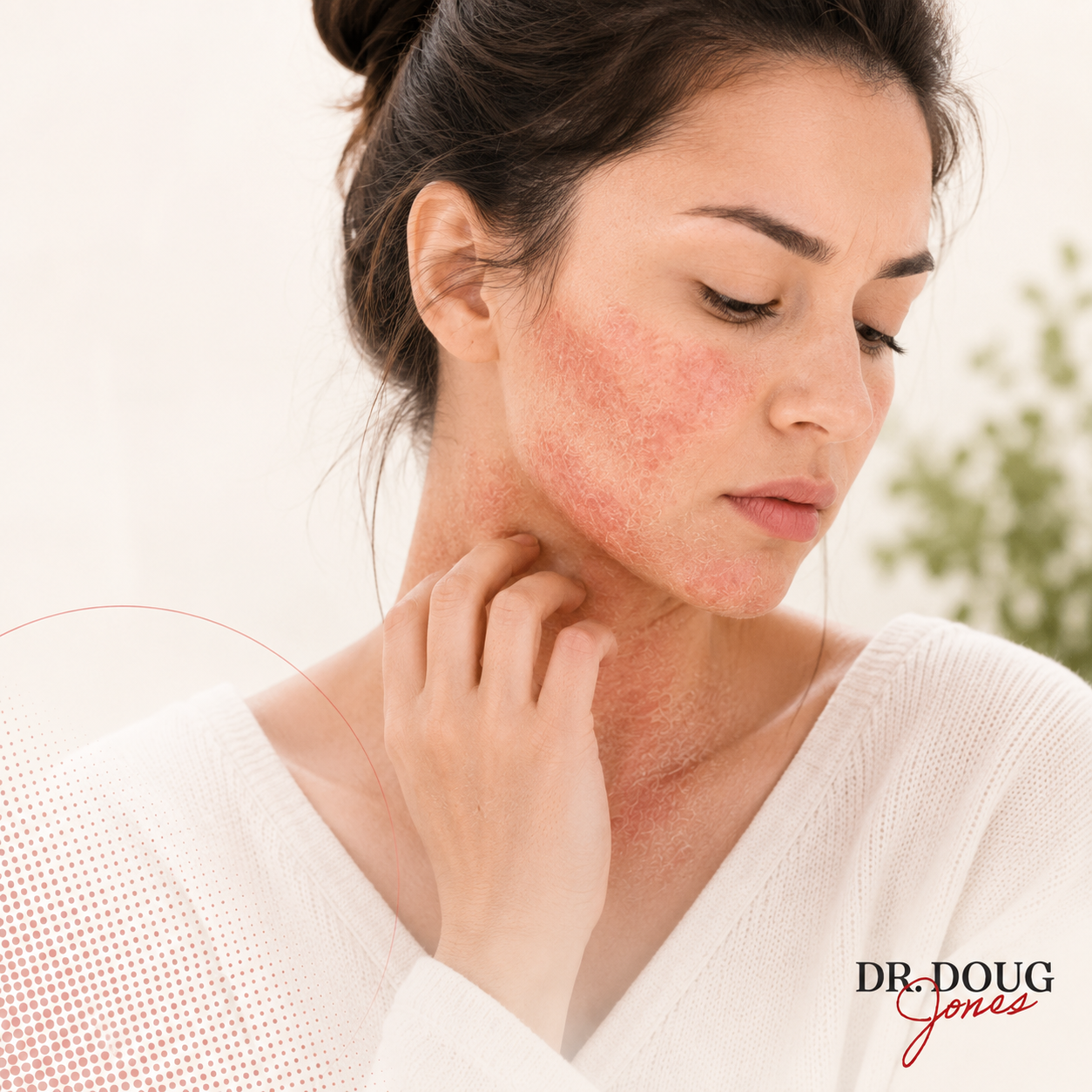
One of the biggest misconceptions about eczema is that everyone should undergo extensive allergy testing. In reality, testing is only useful when there's a strong reason to believe an allergy is contributing to the condition.
An allergist doesn't order tests simply because someone has eczema. Instead, testing is guided by a detailed medical history, symptom patterns, and a physical examination.
Allergy testing may be recommended when:
- Eczema remains difficult to control despite appropriate treatment.
- Flare-ups consistently occur after eating a specific food.
- There are signs of immediate allergic reactions, such as hives, swelling, or difficulty breathing.Symptoms worsen during certain seasons or after exposure to pets, dust, or mold.
- A child with moderate to severe eczema is suspected of having a food allergy.
Depending on your symptoms, your allergist may recommend skin prick testing, blood tests that measure allergen-specific IgE antibodies, or patch testing if allergic contact dermatitis is suspected.
The goal isn't simply to find a positive test result—it's to determine whether that allergy is actually relevant to your eczema. Many people have positive allergy tests without those allergens contributing to their skin symptoms.
Why Elimination Diets Aren't Always the Answer
When eczema becomes frustrating, it's natural to start looking for something to blame. Many people begin removing dairy, gluten, eggs, or other common foods from their diet in hopes of finding a cure.
Unfortunately, this approach often creates more problems than solutions.
Unless a true food allergy has been diagnosed, eliminating foods is unlikely to significantly improve eczema. In children especially, unnecessary dietary restrictions can interfere with healthy growth and proper nutrition.
Current medical guidelines recommend avoiding elimination diets unless they are supervised by a qualified healthcare professional and supported by a clear clinical history or appropriate allergy testing.
Instead of guessing which foods might be responsible, it's far more effective to work with an allergist who can identify genuine triggers while ensuring your diet remains balanced and nutritious.
Common Myths About Eczema and Allergies
Misinformation about eczema is widespread, and many patients spend years chasing treatments that aren't supported by evidence. Understanding the facts can help you make better decisions about your skin health.
Myth: Eczema is simply an allergic reaction.
Fact: Eczema is a chronic inflammatory skin condition involving genetics, immune function, and skin barrier dysfunction. Allergies may contribute to flare-ups, but they are not the underlying cause of every case.
Myth: Every person with eczema has a food allergy.
Fact: Most people with eczema do not have clinically significant food allergies. Food allergies are more common in infants and young children with moderate to severe eczema than in older children or adults.
Myth: A positive allergy test means you've found the cause.
Fact: Allergy tests identify sensitization—not necessarily the cause of your symptoms. Test results must always be interpreted alongside your medical history and clinical presentation.
Myth: Removing more foods will improve eczema.
Fact: Restrictive diets rarely improve eczema unless a true food allergy exists. In many cases, they create unnecessary nutritional risks without providing meaningful skin improvement.
Myth: Moving away from allergens will cure eczema.
Fact: Although reducing exposure to confirmed allergens may help some individuals, eczema is a lifelong condition that usually requires ongoing skin care and medical management.
Looking Beyond Allergies
While allergies are one piece of the puzzle, they're rarely the whole story.
Successful eczema management also depends on protecting the skin barrier, reducing inflammation, preventing infections, managing stress, and identifying non-allergic triggers that contribute to flare-ups.
If you're looking for practical strategies to improve your daily skincare routine and reduce eczema flare-ups, our article on Managing Eczema and Skin Allergies explores skin barrier protection, moisturization, and everyday habits that support healthier skin.
Together, these two approaches—managing the skin itself and identifying meaningful allergic triggers—provide the most comprehensive strategy for long-term eczema control.
When Should You See an Allergist?
If you're unsure whether allergies are contributing to your eczema, an evaluation by an allergist can help provide clarity.
You should consider scheduling an appointment if:
- Your eczema remains difficult to control despite appropriate treatment.
- You consistently experience flare-ups after eating certain foods.
- Seasonal allergies appear to worsen your eczema.
- You have asthma, hay fever, or other allergic conditions in addition to eczema.
- You or your child have experienced immediate allergic reactions, such as hives, swelling, or breathing difficulties.
- You're considering removing major foods from your diet because of eczema.
Rather than relying on trial and error, an allergist can help determine whether allergies are playing a meaningful role and develop a personalized management plan based on current medical evidence.
Conclusion
Eczema and allergies are closely connected, but they are not the same condition. While allergies can contribute to flare-ups in some individuals, eczema is a complex disease influenced by genetics, immune system activity, and the health of the skin barrier.
Understanding this distinction can help you avoid unnecessary treatments, make informed decisions about allergy testing, and focus on strategies that truly improve long-term skin health.
If you suspect allergies are playing a role in your eczema, don't rely on guesswork. A comprehensive evaluation by an allergist can help identify clinically relevant triggers, clarify whether allergy testing is appropriate, and create a personalized plan that addresses both your allergies and your skin.
With the right diagnosis and an evidence-based treatment approach, it's possible to reduce flare-ups, improve skin comfort, and gain greater confidence in managing eczema over the long term.
Frequently Asked Questions
Can allergies directly cause eczema?
No. Allergies do not directly cause eczema. However, environmental or food allergies may trigger or worsen flare-ups in some people who already have atopic dermatitis.
Why do eczema and allergies often occur together?
Eczema, asthma, hay fever, and food allergies share similar genetic and immune system pathways. This pattern is known as the Atopic March, which explains why these conditions frequently occur together.
Should I stop eating dairy if I have eczema?
Not unless a true dairy allergy has been diagnosed. Removing dairy or other foods without medical guidance is unlikely to improve eczema and may increase the risk of nutritional deficiencies.
Can seasonal allergies make eczema worse?
Yes. Allergens such as pollen, dust mites, mold, and pet dander can contribute to eczema flare-ups in some individuals, although they are rarely the sole cause.
How can I tell if allergies are affecting my eczema?
If your eczema consistently worsens after exposure to specific foods or environmental allergens, an allergist can evaluate your symptoms, perform appropriate testing when necessary, and determine whether allergies are contributing to your flare-ups.