
Board-Certified Allergist & Immunologist
Blog
Allergies
Allergies
How Stress Can Trigger Eczema Flare-Ups
Learn how stress affects eczema, why flare-ups may worsen during stressful periods, and practical ways to support healthier skin and improve symptom management.

August 20, 2026
.png)
Have you ever noticed that your eczema seems to worsen during a stressful week at work, while studying for exams, or after a period of poor sleep? You're not imagining it. While stress doesn't cause eczema, it can significantly influence how often flare-ups occur and how severe they become.
For many people living with eczema, emotional stress is one of the most overlooked triggers. The connection between the brain, immune system, and skin is remarkably complex, and researchers continue to learn more about how psychological stress affects inflammatory skin conditions such as atopic dermatitis.
Understanding this relationship can help you recognize patterns, manage flare-ups more effectively, and take a more comprehensive approach to eczema care.
The Mind–Skin Connection
Your skin does much more than protect your body from the outside world. It is closely connected to your nervous system and responds to both physical and emotional stress.
When you experience stress, your brain communicates with your immune system through a network of hormones, nerves, and chemical messengers. These signals prepare your body to respond to challenges—a response often referred to as the "fight-or-flight" reaction.
While this response is helpful in short-term situations, ongoing stress can keep the immune system in a heightened state of activity. In people with eczema, this may contribute to increased skin inflammation and make flare-ups more likely.
This close relationship between the brain and the skin is often referred to as the mind–skin connection, highlighting how emotional well-being can influence skin health.
How Stress Influences the Immune System
Stress affects much more than mood. It can also influence the way the immune system functions.
During periods of prolonged stress, the body releases hormones such as cortisol and adrenaline. While these hormones help the body respond to immediate challenges, chronic stress may interfere with normal immune regulation.
For individuals with eczema, this imbalance can contribute to:
- Increased inflammatory activity
- Greater skin sensitivity
- Slower recovery after flare-ups
- A weakened skin barrier
- Increased susceptibility to skin irritation
Rather than acting as the sole cause of eczema, stress can amplify existing inflammation and make symptoms more difficult to control.
The Itch–Stress Cycle
One of the most frustrating aspects of eczema is the relationship between stress and itching.
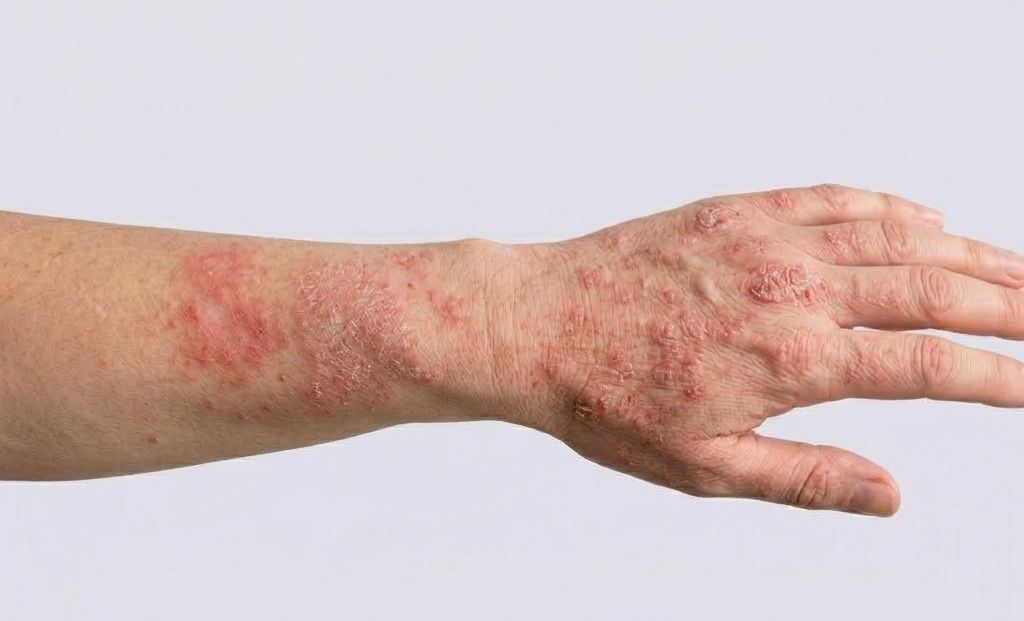
Stress may increase the sensation of itch, making it more difficult to resist scratching. Unfortunately, scratching further damages the skin barrier, leading to more inflammation, additional itching, and sometimes skin infections.
Over time, this creates what's commonly known as the itch–scratch cycle.
The cycle often looks like this:
Stress → Increased itching → Scratching → Skin damage → More inflammation → More itching
Breaking this cycle can be challenging because emotional stress and physical symptoms reinforce one another.
Stress Doesn't Always Look Like Stress
Many people associate stress only with feeling anxious or overwhelmed, but the body responds to many different types of stress.
Common examples include:
- Major life changes
- Work or academic pressure
- Financial concerns
- Relationship difficulties
- Poor-quality sleep
- Recovering from illness
- Surgery or physical injury
- Caring for a loved one
Even positive life events, such as moving to a new home or starting a new job, can temporarily increase stress levels and contribute to eczema flare-ups in some individuals.
Recognizing these patterns can help you identify situations where your skin may need additional attention.
Why Sleep Plays an Important Role
Stress and sleep are closely connected, and both can influence eczema.
High stress levels often make it harder to fall asleep or stay asleep. At the same time, nighttime itching can interrupt sleep, leaving you feeling tired the next day.
Poor sleep may increase stress, reduce your ability to cope with itching, and contribute to ongoing inflammation. As this pattern repeats, it can become another self-perpetuating cycle.
Protecting your sleep isn't just important for your overall health—it may also support better eczema control by helping your body regulate immune function and recover from inflammation.
Can Managing Stress Help Reduce Eczema Flare-Ups?
Managing stress isn't a cure for eczema, and it shouldn't replace medical treatment. However, reducing stress may help decrease the frequency or severity of flare-ups for some individuals.
Studies suggest that addressing emotional well-being alongside appropriate medical care can support better symptom control. The goal isn't to eliminate stress completely—that isn't realistic—but to develop healthy ways of responding to it.
Because every person experiences eczema differently, it's helpful to view stress management as one part of a comprehensive care plan rather than a standalone treatment.
Healthy Ways to Manage Stress
Stress affects everyone differently, so there's no single technique that works for everyone. Finding strategies that fit your lifestyle can make them easier to maintain over time.
Some evidence-based approaches include:
Practice Mindfulness and Relaxation
Mindfulness exercises, meditation, and deep breathing techniques may help calm the body's stress response. Even a few minutes each day can help some people feel more relaxed and better equipped to manage daily challenges.
Stay Physically Active
Regular physical activity supports both physical and mental well-being. Walking, swimming, cycling, or yoga can help reduce stress and improve overall health.
If exercise tends to trigger sweating that irritates your skin, wear breathable clothing, avoid overheating, rinse or shower with lukewarm water afterward, and apply a fragrance-free moisturizer promptly.
Prioritize Quality Sleep
Good sleep supports healthy immune function and may make it easier to cope with stress.
Simple habits that can improve sleep include:
- Going to bed at the same time each night.
- Limiting screen time before bedtime.
- Keeping your bedroom cool and comfortable.
- Following a relaxing bedtime routine.
Build a Support System
Living with a chronic skin condition can sometimes feel isolating. Talking with family members, friends, or support groups can help reduce emotional stress and provide encouragement.
Some people also benefit from speaking with a mental health professional, particularly if eczema is affecting their confidence, relationships, or daily activities.
Learn to Recognize Your Personal Stress Signals
Not everyone experiences stress in the same way. Some people notice tension headaches, irritability, difficulty sleeping, or increased fatigue before an eczema flare develops.
Learning to recognize these early signs may help you take proactive steps to manage stress before it begins affecting your skin.
Stress Is Only One Piece of the Puzzle
Although stress can contribute to eczema flare-ups, it's important to remember that it is not the underlying cause of eczema.
Eczema is a complex condition influenced by genetics, immune system function, skin barrier health, and, for some individuals, specific environmental or allergic factors.
This means you shouldn't blame yourself when flare-ups occur during stressful periods. Instead, think of stress as one factor that can influence symptoms alongside many others.
Understanding this distinction can help you focus on realistic, evidence-based strategies for managing your condition.
When Should You Speak With an Allergist?
If stress appears to be making your eczema worse, it's worth discussing this with your allergist or healthcare provider.
You should also seek medical advice if:
- Flare-ups are becoming more frequent.
- Itching is interfering with your sleep.
- Your symptoms aren't improving with your current treatment plan.
- You're concerned that another condition may be contributing to your eczema.
- Stress or anxiety is having a significant impact on your quality of life.
Your healthcare provider can help determine whether adjustments to your treatment plan or additional support may be beneficial.
Looking at Eczema from a Whole-Person Perspective
Managing eczema involves more than treating the skin alone. Emotional well-being, sleep, daily habits, and overall health can all influence how the condition affects you.
Recognizing the connection between stress and eczema doesn't mean every flare-up is caused by stress. Instead, it highlights the importance of caring for both your physical and emotional health.
By understanding your personal triggers, developing healthy stress-management habits, and working closely with your allergist, you can take meaningful steps toward improving long-term eczema control.
If you'd like to learn more about another important factor that may influence eczema, read our article "Is Your Eczema Caused by Allergies? Understanding the Connection," which explores when allergies may contribute to eczema flare-ups and when allergy testing may be appropriate.
Conclusion
Stress is an unavoidable part of life, but understanding how it affects your skin can help you take a more informed approach to managing eczema. While stress isn't the cause of eczema, it can influence the immune system, intensify itching, and make flare-ups more challenging to control.
The good news is that addressing stress doesn't have to involve major lifestyle changes. Small, consistent habits—such as prioritizing sleep, staying physically active, practicing relaxation techniques, and seeking support when needed—can contribute to both emotional well-being and healthier skin.
When combined with an individualized treatment plan developed by your allergist, these strategies can help you better manage eczema over the long term. If you notice a consistent connection between stressful periods and worsening symptoms, discussing these patterns with your healthcare provider can help ensure you're receiving the most appropriate care.
Frequently Asked Questions
Can stress cause eczema?
No. Stress does not cause eczema, but it can trigger or worsen flare-ups in people who already have the condition. Emotional stress may influence the immune system and increase inflammation, making symptoms more difficult to control.
Why does my eczema itch more when I'm stressed?
Stress can heighten the body's perception of itch and contribute to inflammation. Increased scratching can further damage the skin barrier, creating an itch–scratch cycle that makes eczema symptoms worse.
Can reducing stress improve eczema?
For many people, managing stress may help reduce the frequency or severity of eczema flare-ups. While stress management is not a replacement for medical treatment, it can be an important part of a comprehensive eczema care plan.
What are some healthy ways to manage stress with eczema?
Helpful strategies may include regular physical activity, mindfulness or meditation, maintaining a consistent sleep schedule, seeking support from family or friends, and speaking with a mental health professional when needed.
When should I see an allergist about stress-related eczema?
You should speak with an allergist if your eczema flare-ups are becoming more frequent, itching is affecting your sleep, your current treatment isn't providing adequate relief, or you're unsure whether other factors—such as allergies—may also be contributing to your symptoms.