
Board-Certified Allergist & Immunologist
Blog
Allergies
Allergies
Hidden Food Allergens: How to Read Labels and Avoid Accidental Exposure
Learn how to identify hidden food allergens, read food labels correctly, prevent cross-contact, and reduce the risk of accidental allergic reactions.

August 18, 2026
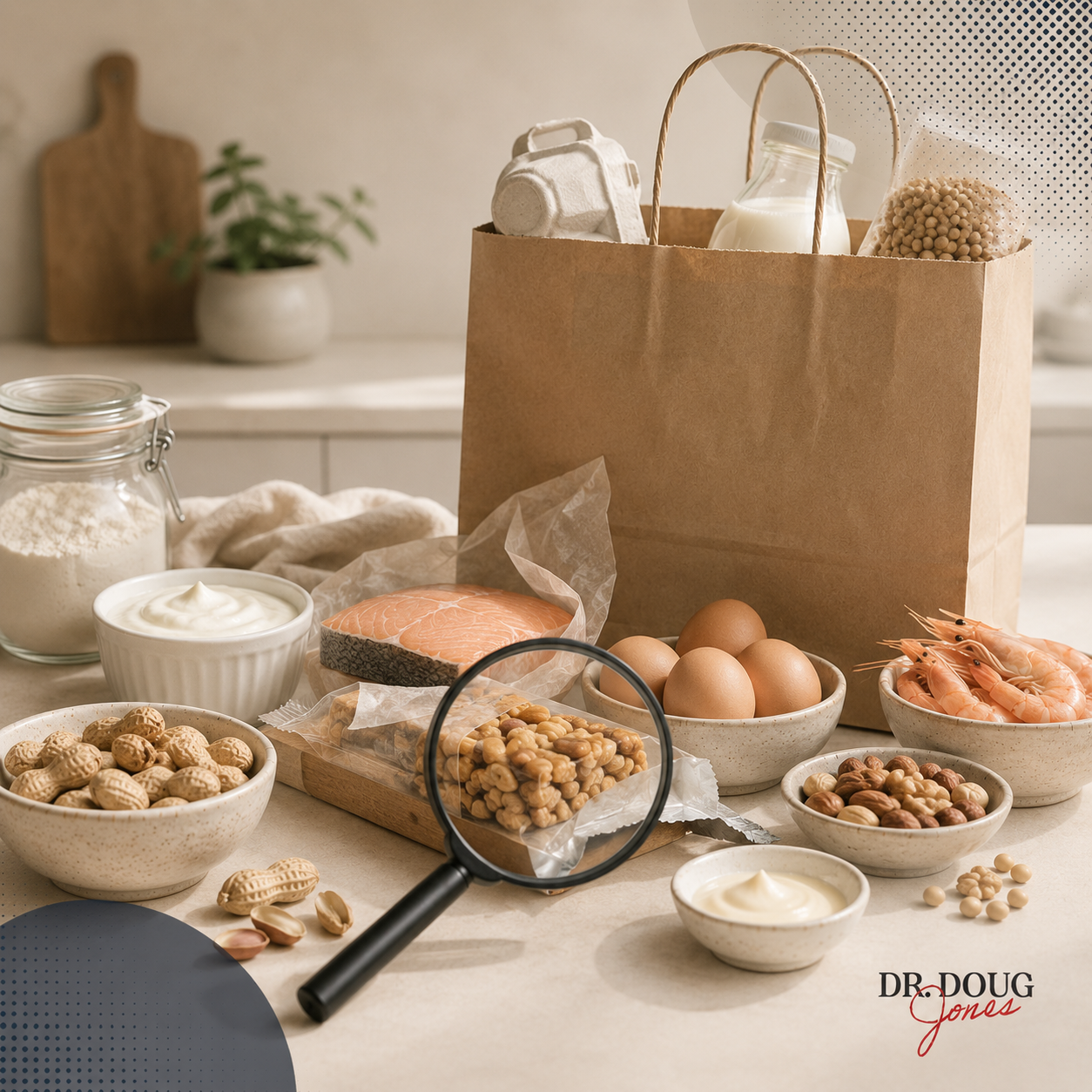
For individuals living with food allergies, avoiding known allergens goes beyond simply skipping certain foods. Many allergic reactions occur because allergens are hidden in packaged foods, restaurant meals, or unexpected ingredients. Even a small amount of an allergen can trigger symptoms ranging from mild itching to life-threatening anaphylaxis.
Learning how to read food labels, recognize hidden sources of allergens, and prevent cross-contact can significantly reduce the risk of accidental exposure. Whether you're managing your own food allergy or caring for a child with one, understanding these strategies is an essential part of staying safe.
What Are Hidden Food Allergens?
Hidden food allergens are ingredients that may not be obvious from a product's name or appearance. An allergen can be present under another ingredient name, used as a flavoring or additive, or introduced during food manufacturing or preparation.
For example, a product labeled as "vegetable soup" or "seasoning mix" may still contain milk, wheat, soy, or other common allergens. This is why carefully reviewing ingredient labels every time you purchase a product is so important—even if you've bought it before.
The Most Common Food Allergens
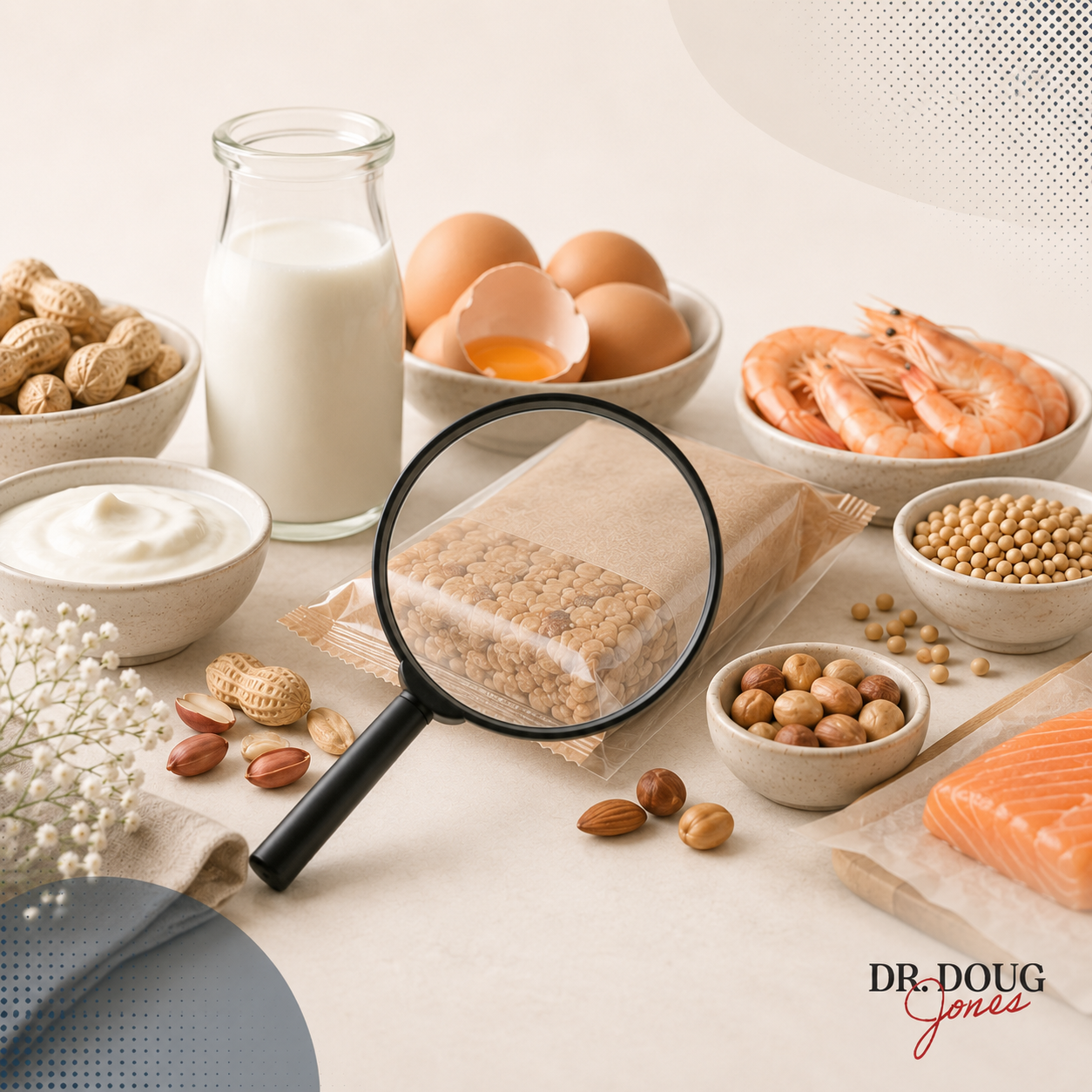
In the United States, the majority of food allergies are caused by nine major allergens:
- Milk
- Eggs
- Peanuts
- Tree nuts
- Wheat
- Soy
- Fish
- Crustacean shellfish, such as shrimp, crab, and lobster
- Sesame
In the United States, federal labeling laws require these major allergens to be clearly identified on most FDA-regulated packaged foods. These rules may not apply in the same way to restaurant foods, unpackaged bakery items, some meat/poultry/egg products, alcohol, or foods prepared at the point of purchase.
How to Read Food Labels Correctly
Reading food labels involves more than looking for familiar allergen names. Ingredients and manufacturing practices can change over time, so every package should be checked before consumption.
Review the Ingredient List
Start by reading the complete ingredient list from beginning to end. Allergens may appear as individual ingredients or as part of another ingredient.
For example:
- Casein and whey are milk proteins.
- Albumin may indicate egg protein.
- Semolina and durum are forms of wheat.
Becoming familiar with alternative ingredient names can help you identify hidden allergens more easily.
Look for the "Contains" Statement
Most packaged foods include a statement such as:
Contains: Milk, Wheat, Soy
This statement appears near the ingredient list and helps consumers quickly identify major allergens.
However, you should still review the full ingredient list, as formulations may change.
Check Every Time You Buy
Manufacturers can update recipes without noticeable changes to the packaging.
Even products you've safely consumed for years should have their labels checked each time they are purchased.
However, a “Contains” statement is helpful, but it should not be the only part of the label you read. The full ingredient list may provide additional details, and not every risk is captured by a simple “Contains” line.
Understanding Advisory Statements
Many food packages include voluntary advisory statements such as:
- "May contain peanuts"
- "Manufactured in a facility that also processes tree nuts"
- "Produced on shared equipment with milk"
These statements indicate that cross-contact may occur during manufacturing.
Because these warnings are voluntary and not standardized, they do not necessarily reflect the level of risk. Individuals with severe food allergies should discuss how to interpret advisory labels with their allergist.
Common Foods That May Contain Hidden Allergens
Some foods appear safe but may unexpectedly contain allergens.
Examples include:
Dairy May Be Found In:
- Salad dressings
- Instant mashed potatoes
- Processed meats
- Baked goods
- Cream-based sauces
Egg May Be Found In:
- Pasta
- Mayonnaise
- Marshmallows
- Certain baked goods
- Specialty coffee drinks
Peanut and Tree Nuts May Be Found In:
- Energy bars
- Granola
- Sauces
- Ice cream
- Chocolate candies
- Ethnic dishes
Wheat May Be Found In:
- Soy sauce
- Gravies
- Soup mixes
- Processed meats
- Seasoning blends
Soy May Be Found In:
- Vegetable broth
- Processed snacks
- Baked goods
- Marinades
- Meat substitutes
Knowing these less obvious sources can help prevent accidental exposure.
Dining Out Safely With Food Allergies
Restaurants present unique challenges because ingredients and food preparation methods may not always be obvious.
Before ordering:
- Inform your server about your food allergy.
- Clearly explain that it is a medical condition, not a food preference.
- Ask how the meal is prepared.
- Confirm whether separate cooking surfaces and utensils are used.
- When in doubt, choose a different menu item or restaurant.
Good communication helps reduce the risk of accidental exposure.
Understanding Cross-Contact
Cross-contact occurs when an allergen is unintentionally transferred from one food or surface to another.
Unlike cross-contamination involving bacteria, even tiny amounts of an allergenic food can trigger a reaction in sensitive individuals.
Common sources of cross-contact include:
- Shared cutting boards
- Fryers used for multiple foods
- Shared serving utensils
- Toasters
- Grills
- Countertops that have not been properly cleaned
Preventing cross-contact is just as important as avoiding the allergen itself.
Grocery Shopping Tips for Families
Shopping with food allergies becomes easier with a consistent routine.
Helpful strategies include:
- Read every food label carefully.
- Purchase products from trusted manufacturers.
- Keep allergen-safe foods separate at home.
- Teach older children how to recognize allergens.
- Contact manufacturers if ingredient information is unclear.
Staying informed helps families make safer food choices.
Traveling With Food Allergies
Travel requires additional planning to reduce the risk of accidental exposure.
Before traveling:
- Pack safe snacks.
- Carry emergency medications, including an epinephrine auto-injector if prescribed.
- Research restaurants in advance.
- Learn how to communicate your food allergy if traveling internationally.
- Keep medications easily accessible during flights or road trips.
Preparation can make travel safer and more enjoyable.
What to Do if Accidental Exposure Occurs
Despite careful planning, accidental exposures can still happen.
Symptoms of a food allergy reaction may include:
- Hives
- Swelling of the lips, face, or tongue
- Vomiting
- Difficulty breathing
- Wheezing
- Persistent coughing
- Dizziness
- Loss of consciousness
If symptoms suggest anaphylaxis, position the patient flat with legs raised, (unless they're struggling to breathe or vomiting), administer epinephrine immediately if it has been prescribed and call emergency medical services.
However, remember to;
- Seek emergency care / observation even if symptoms improve after epinephrine, because of the risk of a delayed second-wave reaction.
- Keep a second dose as it may be needed if there's no improvement in about 5 minutes — and many patients are prescribed two auto-injectors for exactly this reason.
Delaying treatment can increase the severity of the reaction.
When Should You See an Allergist?
An allergist can help if you or your child:
- Has experienced a reaction after eating a particular food.
- Needs confirmation of a suspected food allergy.
- Has multiple food allergies.
- Is unsure how to interpret food labels.
- Needs a personalized food allergy management plan.
An allergist can also determine whether a food allergy has resolved over time and whether supervised food challenges are appropriate.
Final Thoughts
Living with a food allergy requires more than simply avoiding certain foods. Understanding how to identify hidden allergens, interpret food labels, and prevent cross-contact plays a critical role in reducing the risk of accidental exposure.
With the right knowledge and a personalized allergy management plan, individuals and families can confidently navigate grocery stores, restaurants, schools, and social gatherings while staying safe.
If you have questions about food allergies or need guidance on diagnosis, treatment, or prevention, consulting an experienced allergist can help you develop a plan tailored to your specific needs.